
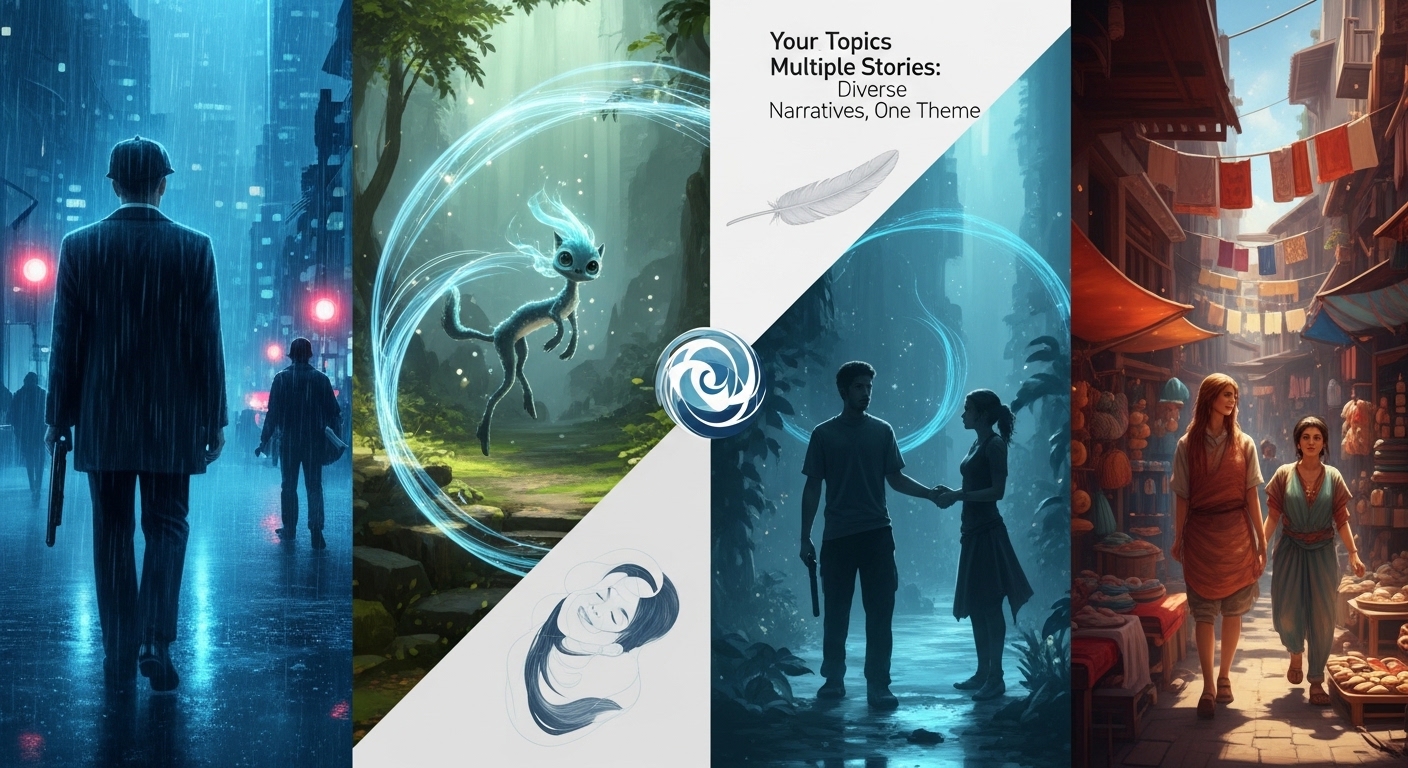
Every story holds power, but what happens when you weave together multiple narratives? The beauty of storytelling lies in its diversity. Each voice adds richness and depth, creating a tapestry that resonates with readers on various levels. When we explore Your Topics Multiple Stories, we uncover the dynamic intersections of experience, culture, and perspective. These stories can inspire empathy and foster connection in an increasingly divided world. Let’s dive into why embracing diverse narratives is essential for impactful storytelling and how it shapes our understanding of each other.
The Importance of Inclusive Storytelling
Inclusive storytelling opens the door to a world where every voice matters. It creates space for diverse perspectives, enriching narratives with authenticity and depth.
When stories reflect a variety of experiences, they resonate more powerfully with audiences. A broader range of characters allows readers to see themselves in different lights. This connection fosters empathy and understanding.
Moreover, inclusive storytelling challenges stereotypes. By presenting complex characters from all walks of life, we break down barriers and combat biases that persist in society.
It’s not just about representation; it’s about weaving together tales that inspire change. When individuals encounter stories that mirror their realities or those vastly different from theirs, it can spark conversations that lead to growth.
Fostering inclusivity in narrative forms strengthens communities as well. It reminds us of our shared humanity while celebrating what makes each story unique.
Examples of Multiple Stories with One Theme
Consider the theme of resilience. It manifests uniquely across cultures and experiences.
In literature, we see it in Khaled Hosseini’s “The Kite Runner,” where friendship and betrayal shape a young boy’s journey through war-torn Afghanistan. Each character faces their own battles yet emerges with strength.
Then there’s Maya Angelou’s poetry, celebrating personal triumphs over adversity. Her words resonate deeply, capturing the essence of overcoming struggles.
Film also explores this idea vividly. In “The Pursuit of Happyness,” Chris Gardner’s true story shows how determination can change one’s fate against all odds.
Even in folklore, tales like Anansi the Spider teach lessons about cleverness and perseverance through diverse narratives that span generations.
Each story is distinct yet united by one powerful thread: resilience takes many forms but remains universally relatable.
How Diverse Narratives Can Impact Readers and Society
Diverse narratives hold the power to reshape perspectives. When readers encounter stories from varied backgrounds, they gain insights into lives different from their own. This exposure fosters empathy and understanding.
Such narratives challenge stereotypes and break down barriers. They allow readers to see beyond monolithic portrayals of cultures or identities, revealing the complexity within each experience.
Moreover, these stories can inspire action. Readers may feel compelled to advocate for social change after being touched by a powerful account that highlights injustice or resilience.
In society, embracing diverse storytelling enriches conversations and encourages inclusivity in various spheres—whether in literature, film, or everyday interactions. It cultivates a community where differences are celebrated rather than feared.
This shift not only transforms individual minds but also influences collective attitudes over time. The ripple effects can be profound as more voices join the conversation about what it means to share our world together.
Tips for Crafting a Multi-Faceted Story
To craft a multi-faceted story, start by identifying your central theme. This will act as the anchor for all narratives.
Next, develop diverse characters. Each character should bring their own perspective and experiences to the table. This adds depth and richness to your tale.
Consider different settings as well. A variety of locations can influence how stories unfold, shaping characters’ journeys in unique ways.
Weave in contrasting points of view through dialogue or internal monologue. Letting readers hear multiple voices draws them deeper into the narrative fabric.
Don’t shy away from conflicting emotions within each story arc. Showcasing struggles alongside triumphs creates a more relatable experience for readers.
Embrace these tips with creativity and watch your storytelling flourish!
Embracing Differences and Finding Common Ground Through Storytelling
Storytelling has a magical way of bridging gaps. When we share our diverse experiences, we open windows into different worlds. Each narrative offers a new perspective that enriches understanding.
Embracing differences allows us to appreciate the unique threads woven into the fabric of humanity. Every voice matters and contributes to a richer tapestry of shared experiences.
Through stories, we can explore themes like love, struggle, and hope that resonate universally. These common threads unite us despite our varied backgrounds.
Finding common ground becomes easier when we listen actively to others’ tales. Empathy grows as we immerse ourselves in their journeys.
Storytelling encourages dialogue about challenges faced by various communities while celebrating individual strengths. It helps dismantle stereotypes and fosters connection among people from all walks of life.
Conclusion and Encouragement to Share Your Own Multiple Stories
Every story holds the potential to resonate with others, especially when it showcases diverse perspectives. Your topics multiple stories can inspire change and foster understanding among readers from different backgrounds.
As you embark on your storytelling journey, consider sharing your own unique narratives. Whether they draw from personal experiences or collective cultural histories, each tale contributes to a vibrant tapestry of voices. Don’t shy away from complexity; embrace it. The power of stories lies in their ability to unite us while celebrating our differences.
Encourage others around you to share too. Create spaces for dialogue and connection through storytelling. Together, let’s continue weaving these rich narratives that illuminate paths toward empathy and collaboration. Your voice matters—let it be heard!