
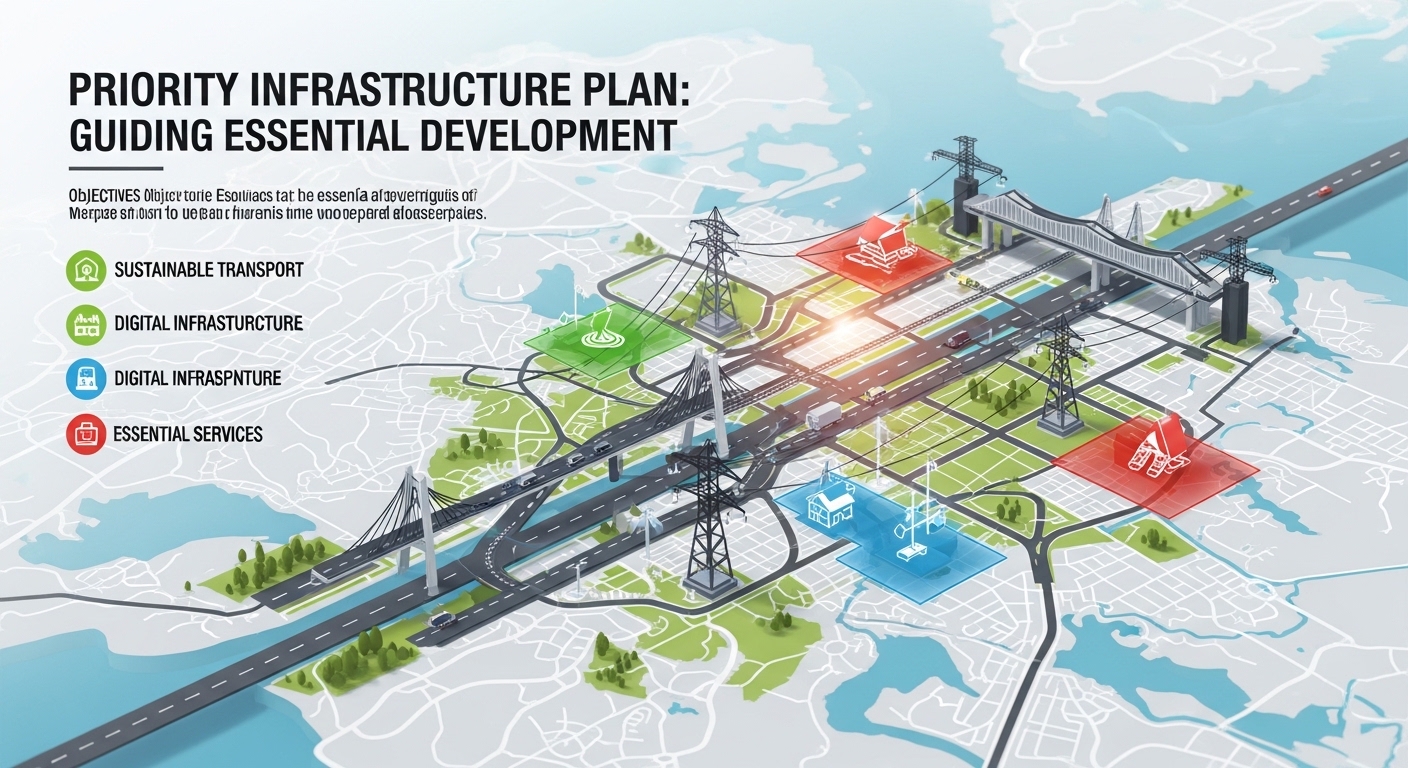
In today’s rapidly evolving world, the need for robust infrastructure is more critical than ever. As cities grow and populations swell, planning becomes a cornerstone of sustainable development. Enter the Priority Infrastructure Plan (PIP), designed to streamline essential projects that can shape communities for generations.
A well-crafted PIP serves as a roadmap, guiding investments in vital services like transportation, water supply, energy distribution, and public facilities. It ensures resources are allocated efficiently while addressing immediate needs and anticipating future challenges.
Understanding how to harness the potential of a Priority Infrastructure Plan opens doors to transformative changes within urban landscapes. This blog post will explore what makes these plans indispensable for governments and developers alike—highlighting their benefits, key elements, challenges faced during implementation, and successful case studies that demonstrate their effectiveness. Let’s dive into this crucial topic that impacts us all!
Understanding Essential Development
Essential development focuses on the infrastructure that communities need to thrive. It encompasses roads, bridges, water supply systems, and public transport networks. These components form the backbone of any growing society.
Understanding this concept means recognizing its role in enhancing quality of life. Effective infrastructure facilitates trade, connects people, and promotes economic growth. A well-planned system can improve access to essential services like healthcare and education.
Moreover, essential development considers sustainability. It’s not just about building; it’s about creating a resilient environment for future generations. This approach ensures that resources are used wisely while meeting current demands.
Grasping the importance of essential development is vital for informed decision-making by governments and stakeholders alike. Investing in these areas paves the way for balanced progress across urban and rural landscapes.
The Benefits of Having a Priority Infrastructure Plan
A Priority Infrastructure Plan (PIP) serves as a roadmap for effective development. It helps identify critical infrastructure projects that align with community needs and economic goals.
One significant benefit is improved resource allocation. With a clear plan, governments can prioritize funding and efforts toward essential projects, minimizing wasteful spending.
Additionally, PIPs foster collaboration between public and private sectors. Stakeholders gain clarity on future developments, leading to partnerships that enhance project efficiency.
Another advantage lies in enhanced community engagement. A well-structured PIP encourages input from citizens, making them feel involved in shaping their environment.
Having a PIP leads to increased investment opportunities. Investors are more likely to fund projects backed by strategic planning and demonstrated need within communities. This creates a cycle of growth and improvement across regions.
Key Elements of a Successful Priority Infrastructure Plan
A successful Priority Infrastructure Plan (PIP) hinges on several key elements. First, stakeholder engagement is crucial. Involving community members and local businesses ensures that the plan reflects their needs and aspirations.
Next comes comprehensive data analysis. Accurate data informs decision-making, helping to identify critical infrastructure gaps and future growth areas.
Funding strategies also play a significant role in PIP success. Diverse funding sources, including public-private partnerships, can enhance project sustainability.
Additionally, flexibility should be built into the plan. As communities evolve, so should the priorities within the PIP to address emerging challenges effectively.
Robust monitoring systems are essential for tracking progress and outcomes. Regular assessments allow governments to adjust strategies as necessary while maintaining transparency with stakeholders throughout the process.
Challenges and Solutions in Implementing a PIP
Implementing a Priority Infrastructure Plan (PIP) comes with its own set of hurdles. One significant challenge is securing adequate funding. Many projects struggle to attract investment, leading to delays and reduced scope.
Additionally, stakeholder engagement can be tricky. Diverse interests often clash, making it difficult to reach consensus on priorities and timelines. This discord can stall progress.
Another common issue is regulatory compliance. Navigating the complex web of local laws and regulations may slow down project initiation and execution.
To overcome these challenges, governments must prioritize transparent communication with stakeholders. Establishing clear channels for feedback fosters collaboration and trust.
Innovative financing models also play a crucial role. Public-private partnerships can ease funding constraints while ensuring shared responsibility in project delivery.
Streamlining regulatory processes through dedicated task forces will help minimize bureaucratic delays, paving the way for smoother implementation of PIPs across regions.
Case Studies: Successful Implementation of PIPs
Several cities have successfully implemented their Priority Infrastructure Plans, showcasing innovative approaches and tangible results.
For instance, Melbourne adopted a PIP focusing on public transport enhancements. By prioritizing rail expansions and bus services, the city improved accessibility significantly. Commuters now enjoy reduced travel times and increased connectivity.
In another example, Seattle directed resources into green infrastructure through its PIP. The focus was on stormwater management systems that protect local waterways while enhancing urban spaces with parks and green roofs.
Similarly, Singapore’s implementation of its PIP emphasized smart technology integration in urban planning. Sensors monitor traffic flow to optimize road usage dynamically, reducing congestion and improving air quality across the bustling metropolis.
These case studies illustrate how tailored strategies within Priority Infrastructure Plans can lead to substantial improvements in urban living standards while promoting sustainability and innovation.
Conclusion and Recommendations for Governments and Developers
The Priority Infrastructure Plan is not just a framework; it’s a vision for sustainable growth and development. Governments and developers alike must recognize its importance in shaping the future of communities. To maximize effectiveness, collaboration is essential. Engaging stakeholders early ensures that diverse perspectives are considered.
It’s crucial for governments to allocate adequate resources toward research and data collection when developing these plans. This enables them to identify priority areas accurately and make informed decisions based on current needs.
Developers should align their projects with the objectives outlined in the Priority Infrastructure Plan. By doing so, they can facilitate smoother approvals while contributing positively to community goals.
Regular reviews of the infrastructure plan will allow for adjustments based on changing circumstances or emerging technologies. Staying adaptable ensures that these plans remain relevant and effective over time.
Building partnerships between public entities and private sectors can lead to innovative solutions that address challenges head-on. Sharing knowledge, best practices, and experiences fosters an environment conducive to success.
As we move forward, embracing technology will be pivotal in refining how we develop infrastructure strategies. Smart cities offer exciting possibilities worth exploring within any comprehensive infrastructure agenda.
Prioritizing a well-structured approach can yield significant benefits—economic growth, enhanced quality of life, and resilient communities prepared for future challenges lie ahead when properly executed.