
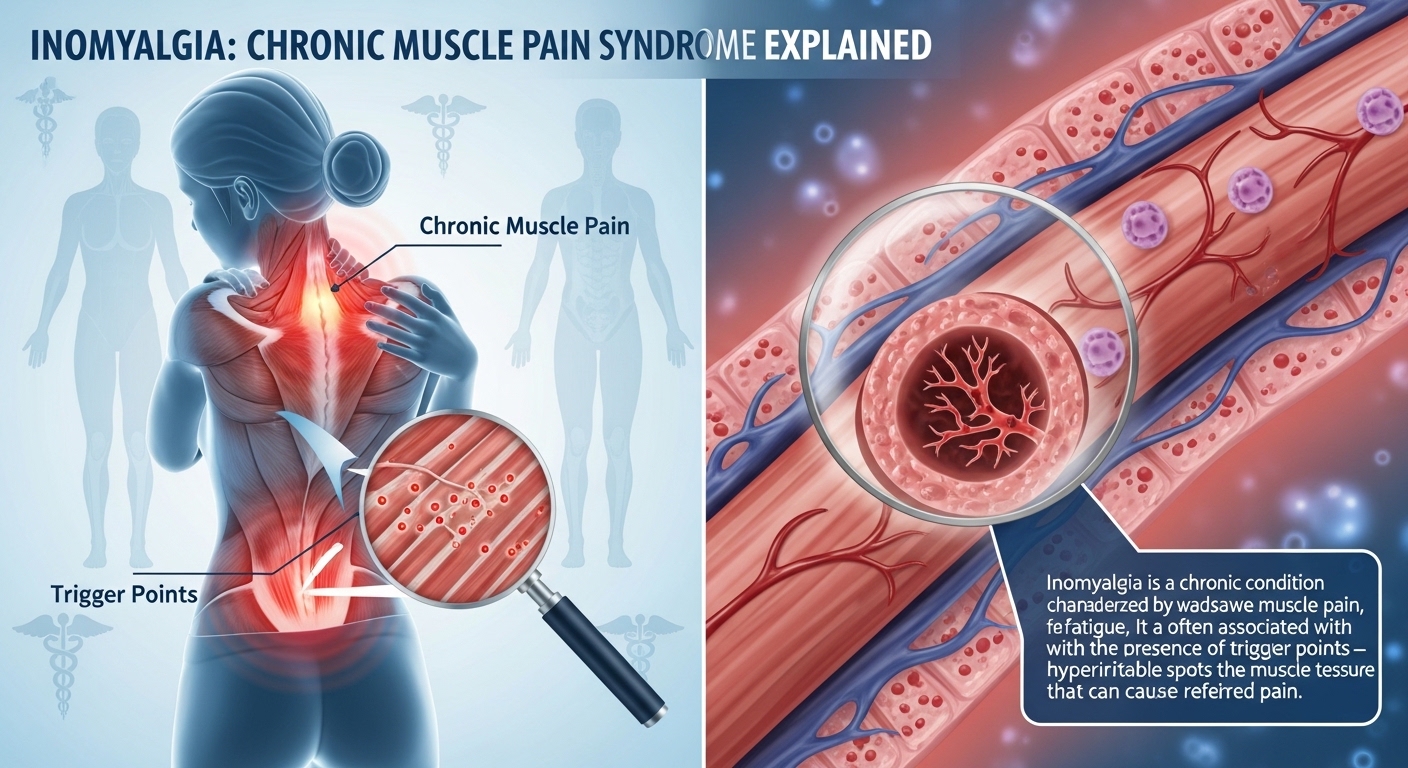
Living with chronic muscle pain can feel like an uphill battle. For many, the journey is laden with confusion and frustration. One condition that embodies these challenges is Inomyalgia—a term not widely recognized but increasingly relevant in conversations about persistent discomfort. This blog post will delve into what Inomyalgia truly means, its symptoms and causes, diagnostic measures, treatment options available, as well as lifestyle changes that may help manage this syndrome effectively.
If you or someone you know struggles with unexplained aches and pains in the muscles, understanding Inomyalgia could be a significant step towards relief. Join us as we explore this complex condition together and uncover strategies to cope with chronic pain while connecting to supportive resources along the way. Your journey toward better health starts here!
What is Inomyalgia?
Inomyalgia is a chronic muscle pain syndrome that affects millions of individuals globally. It’s characterized by widespread discomfort, often making everyday activities feel daunting. Unlike traditional muscle soreness, the pain associated with Inomyalgia can persist for long periods and may not have an obvious cause.
The term itself combines elements related to muscle (myo) and pain (algia), emphasizing its focus on muscular distress. This condition often shares similarities with fibromyalgia but carries distinct features that set it apart.
People experiencing Inomyalgia might find themselves battling fatigue, sleep disturbances, and cognitive issues alongside their physical symptoms. The complexity of this syndrome means that each person’s experience can vary significantly, highlighting the need for personalized approaches to management and care. Understanding Inomyalgia is crucial in finding effective strategies to cope with its challenges while improving quality of life.
Symptoms and Causes of Inomyalgia
Inomyalgia manifests through a range of symptoms that can significantly impact daily life. The most prominent sign is persistent muscle pain, which may feel like an ache or stiffness. This discomfort often worsens with physical activity or stress.
Fatigue is another common issue for those affected by Inomyalgia. Many individuals report feeling drained even after a full night’s sleep. Sleep disturbances are frequent companions, leading to further exhaustion and irritability.
The causes of Inomyalgia remain largely unclear, but several factors might contribute to its onset. Genetics could play a role, as family history often shows patterns in chronic pain disorders. Environmental triggers such as infections or trauma have also been linked to the development of this syndrome.
Psychological aspects cannot be overlooked either; stress and anxiety may exacerbate symptoms and influence overall well-being. Understanding these elements can aid patients in navigating their condition more effectively.
Diagnosis and Treatment Options
Diagnosing inomyalgia can be challenging. Doctors typically start with a thorough medical history and physical examination. They may also conduct blood tests to rule out other conditions that cause similar symptoms.
Imaging studies, like MRI or X-rays, are sometimes used as well. However, no specific test exists for inomyalgia itself, leading to the importance of a comprehensive assessment.
When it comes to treatment options, there is no one-size-fits-all approach. Medications such as pain relievers or anti-inflammatory drugs may provide some relief.
Physical therapy often plays a crucial role too. Tailored exercises help improve strength and flexibility while reducing discomfort.
Alternative therapies like acupuncture or massage can also benefit those suffering from this condition. Each individual’s experience with inomyalgia varies; therefore, treatment plans must be personalized for effectiveness.
Lifestyle Changes to Manage Inomyalgia
Making lifestyle changes can significantly improve the quality of life for those dealing with Inomyalgia. One effective approach is incorporating regular, low-impact exercise into your routine. Activities like swimming or walking can help strengthen muscles without causing additional strain.
Nutrition also plays a vital role in managing symptoms. A balanced diet rich in anti-inflammatory foods, such as fruits, vegetables, and whole grains can be beneficial. Staying hydrated is equally important; it helps maintain muscle function and overall health.
Mindfulness practices like yoga and meditation offer benefits too. They promote relaxation and reduce stress levels, which can exacerbate pain symptoms.
Sleep hygiene should not be overlooked either. Establishing a regular sleep schedule enhances restfulness, allowing the body to recover better from daily strains.
Creating a strong support network provides emotional relief. Surrounding oneself with understanding friends or joining support groups fosters connection during challenging times.
Coping with Chronic Pain: Tips and Strategies
Living with chronic pain can feel overwhelming at times. Finding effective coping strategies is essential for improving daily life.
Start by prioritizing self-care. Regular relaxation techniques like deep breathing or meditation can help reduce stress levels and promote a sense of calm.
Incorporate physical activity into your routine, even if it’s just gentle stretching or short walks. Movement enhances circulation and can alleviate muscle tension.
Connect with others who understand your experience. Support groups—whether in-person or online—offer valuable insights and emotional support from those facing similar challenges.
Consider keeping a pain journal to track symptoms, triggers, and effective relief methods. This practice not only helps you identify patterns but also empowers you to take control of your condition.
Don’t hesitate to communicate openly with healthcare providers about what you’re experiencing. Together, you can explore tailored approaches that suit your needs better.
Support and Resources for Inomyalgia Patients
Living with Inomyalgia can be challenging, but you’re not alone. Numerous support groups and online communities are available for those facing this condition. Connecting with others who understand your experience can provide comfort and practical advice.
Local health organizations often offer resources tailored to chronic pain patients. They may host workshops, lectures, or social events aimed at education and empowerment.
Consider reaching out to healthcare professionals specializing in chronic pain management. Their expertise can help guide you through treatment options that suit your needs.
Don’t forget about the wealth of information available online. Websites dedicated to fibromyalgia and related syndromes frequently update their content, offering insights into new research findings and therapies.
Books by authors experienced in managing chronic conditions may also serve as valuable tools for understanding Inomyalgia better while providing coping strategies useful in daily life.
Conclusion
Inomyalgia is a complex and often misunderstood condition. It can profoundly impact daily life, but understanding it is the first step toward managing its symptoms. With proper diagnosis and treatment options available, individuals can find relief from chronic muscle pain.
Lifestyle changes play a crucial role in managing Inomyalgia. Simple adjustments like regular exercise, balanced nutrition, and stress management techniques can make a significant difference in well-being.
Coping with chronic pain requires patience and resilience. By adopting effective strategies and utilizing support systems, those affected by Inomyalgia can navigate their journey with greater ease.
Resources are plentiful for patients seeking guidance or community support. Connecting with others who share similar experiences fosters hope and empowerment.
Navigating through Inomyalgia may seem daunting at times; however, knowledge combined with proactive measures offers a pathway to improved quality of life.