
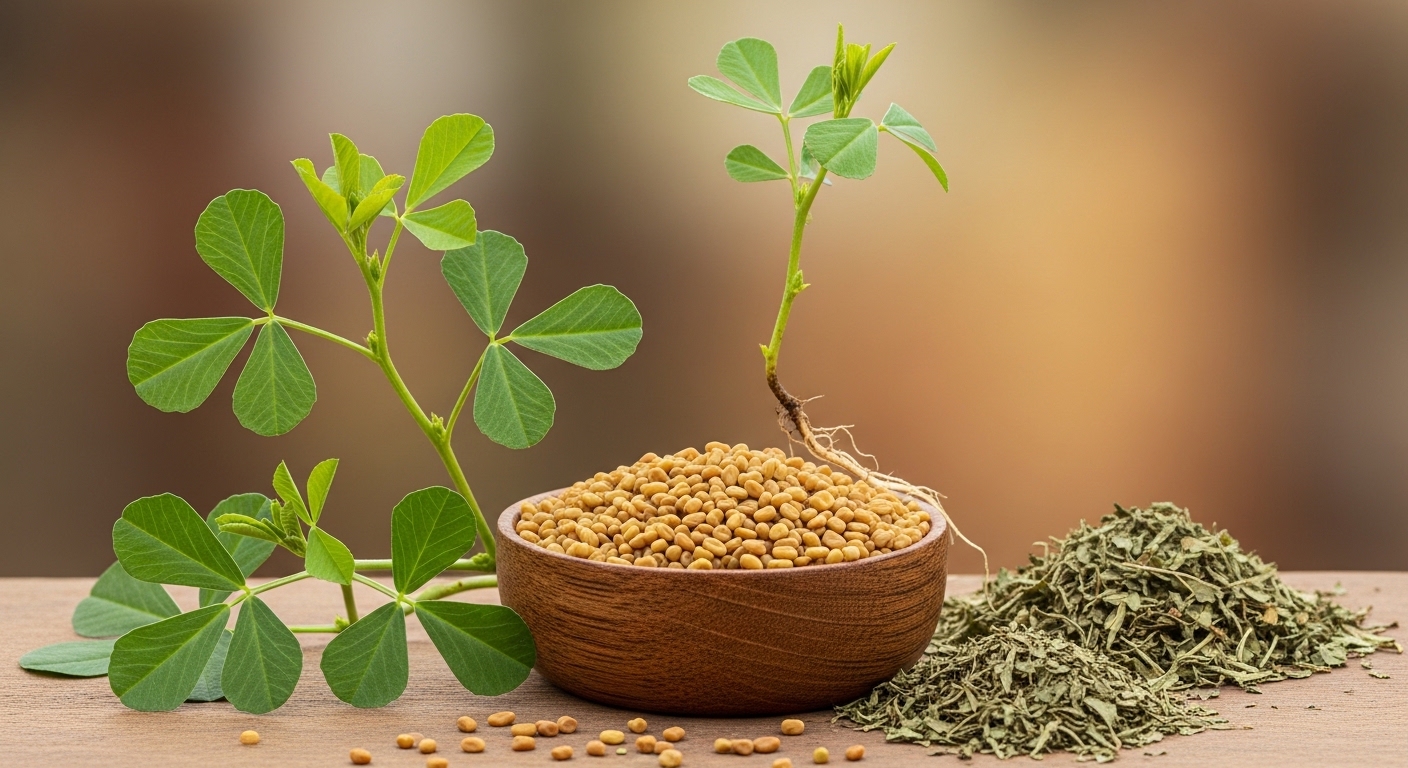
What Is Fenugreek (Foenegriek)?
Foenegriek, known in English as fenugreek, is a powerful medicinal herb and culinary spice derived from the plant Trigonella foenum-graecum. Native to parts of the Mediterranean, Western Asia, and North Africa, fenugreek has been used for thousands of years in traditional medicine and cooking.
Both the seeds and leaves are used:
-
Seeds – small, golden-brown, slightly bitter, and aromatic
-
Leaves – fresh or dried, with a mildly sweet and nutty flavor
Fenugreek is widely popular in Indian, Middle Eastern, and North African cuisines.
Nutritional Value of Fenugreek
Fenugreek seeds are rich in:
-
Fiber
-
Protein
-
Iron
-
Magnesium
-
Vitamin B6
-
Antioxidants
-
Plant compounds like saponins and diosgenin
Thanks to this nutrient profile, fenugreek offers multiple health benefits.
Health Benefits of Fenugreek
1. Supports Blood Sugar Control
Fenugreek is well known for its potential to help regulate blood sugar levels. The high fiber content slows carbohydrate digestion and absorption, making it popular among people managing type 2 diabetes.
2. May Boost Testosterone in Men
Some studies suggest fenugreek may support healthy testosterone levels and improve strength and libido in men.
3. Enhances Breast Milk Production
Fenugreek has traditionally been used as a natural galactagogue (a substance that promotes milk production). Many breastfeeding mothers use fenugreek supplements or tea.
4. Aids Digestion
It may help relieve:
-
Constipation
-
Indigestion
-
Stomach inflammation
Its fiber supports gut health and regular bowel movements.
5. Supports Heart Health
Fenugreek may help:
-
Lower LDL (bad cholesterol)
-
Reduce triglycerides
-
Improve overall cardiovascular health
Culinary Uses of Fenugreek

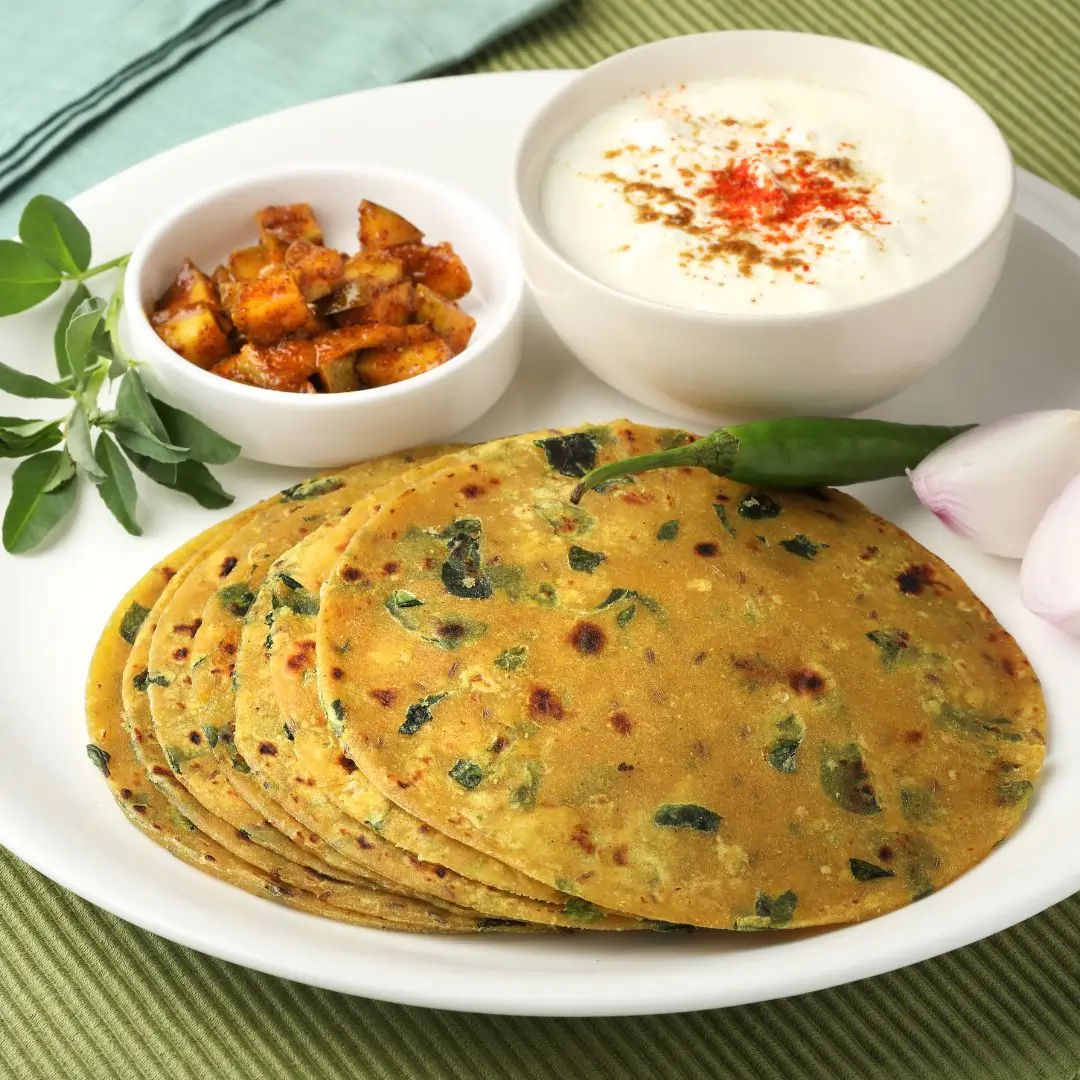

Fenugreek adds depth and slight bitterness to dishes. It’s commonly used in:
-
Indian curries
-
Spice blends (like curry powder)
-
Pickles
-
Flatbreads such as methi paratha
-
Herbal teas
How to Use It at Home
-
Soak seeds overnight and drink the water
-
Add ground fenugreek to soups or stews
-
Brew fenugreek tea
-
Use dried leaves (kasuri methi) to flavor curries
Fenugreek in Traditional Medicine
Fenugreek has been used in:
-
Ayurvedic medicine
-
Traditional Chinese medicine
-
Middle Eastern herbal practices
Historically, it was used to treat wounds, inflammation, and digestive issues.
Possible Side Effects
While generally safe in moderate amounts, fenugreek may cause:
-
Mild digestive discomfort
-
Body odor resembling maple syrup
-
Allergic reactions (rare)
-
Blood sugar drops if combined with diabetes medication
Pregnant women should consult a healthcare professional before using fenugreek supplements.
Fenugreek Supplements
Fenugreek is available in:
-
Capsules
-
Powders
-
Extracts
-
Teas
When choosing supplements, always look for standardized extracts and consult a healthcare provider.
Final Thoughts
Fenugreek (foenegriek) is more than just a spice — it’s a powerful herb with impressive nutritional and medicinal benefits. From improving digestion to supporting hormonal balance and blood sugar control, it has earned its place in both kitchens and traditional medicine cabinets worldwide.
If you’re looking for a natural addition to your diet with centuries of proven use, fenugreek is definitely worth considering.
FAQs
Is fenugreek good for weight loss?
It may help reduce appetite due to its high fiber content.
Can you eat fenugreek seeds raw?
Yes, but they are bitter. Soaking or cooking improves taste.
How long does it take to see benefits?
Results vary, but many people notice changes within a few weeks of consistent use.